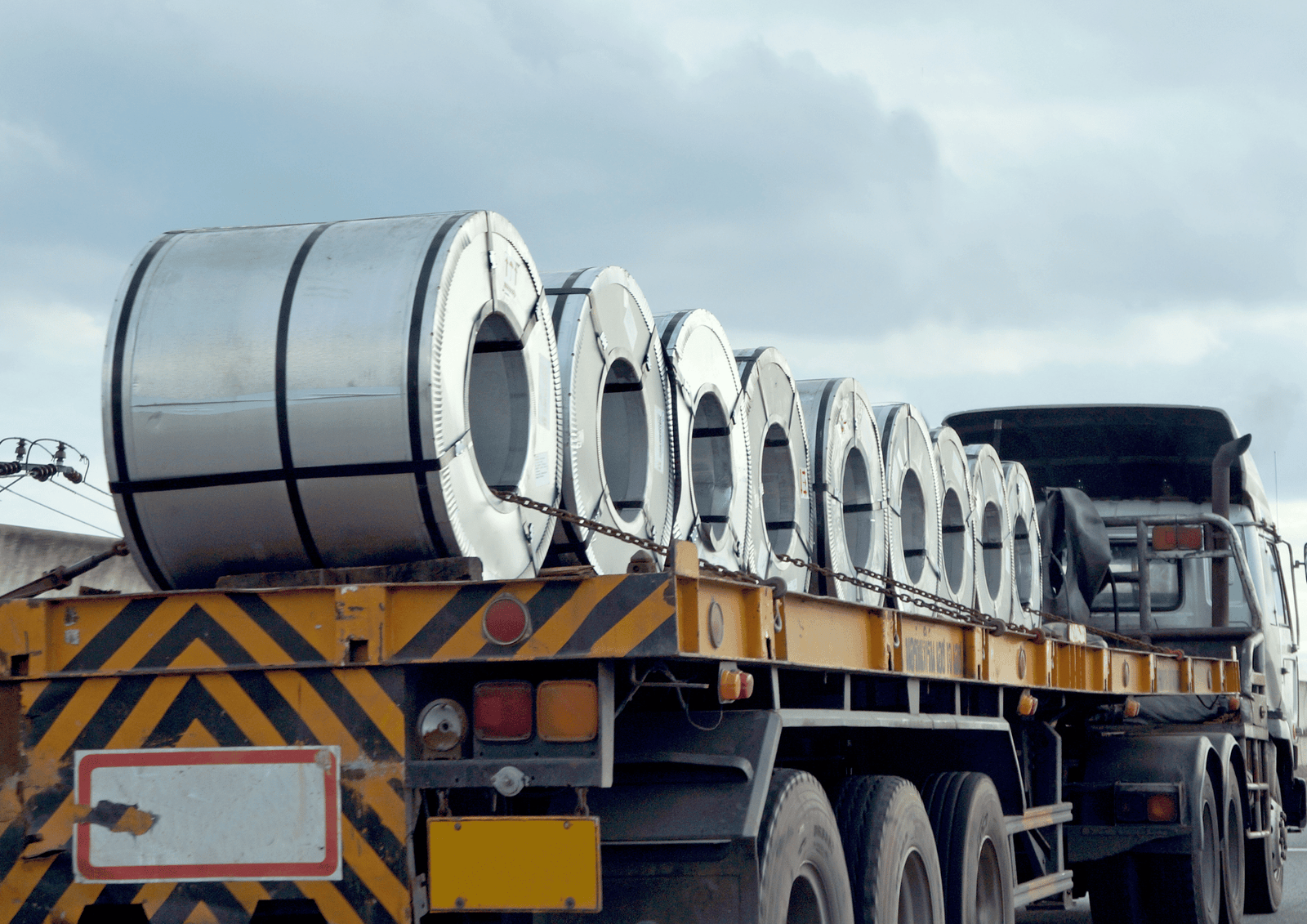
As President Donald Trump moves forward with plans to impose a 25% tariff on imported steel, concerns are mounting in both the UK and US over the potential economic fallout. While the UK government is pushing for an exemption, industry leaders warn that such tariffs could have severe consequences—not just for British steelmakers, but for American businesses and taxpayers as well.
Although the UK is not a major supplier of steel to the US, with only 10% of British steel exports going there, the tariffs could still have wider negative consequences:
• UK steel exports to the US are worth £400 million per year
• The tariffs could significantly reduce UK companies’ ability to compete in the US market, making it harder for firms like Tata Steel and British Steel to sell their products overseas.
Steel Dumping Risks in the UK
• If other global steel producers (like China or the EU) lose access to the US market, they may offload excess steel at lower prices in the UK.
• This could undercut UK steelmakers, forcing them to either lower prices or risk losing business.
• The UK steel industry has already suffered job losses, with Tata Steel cutting 2,800 jobs at its Port Talbot site and British Steel announcing 2,000 potential job cuts in Scunthorpe.
• Further economic strain could accelerate job losses, particularly in regions that rely heavily on steel production.
• UK Business Secretary Jonathan Reynolds argues that some UK-made steel is crucial for US industries, such as Sheffield-produced submarine casings for the US Navy.
Despite Trump’s statement that tariffs will be “enforced without exceptions or exemptions”, the UK government believes its case is different from the EU or China.
Business Secretary Jonathan Reynolds has been in discussions with the US special envoy to the UK, pushing the argument that:
✔ The UK is a close US ally, unlike some countries accused of unfair trade practices.
✔ The UK provides specialised steel products that the US cannot easily replace.
✔ Tariffs on UK steel would harm US businesses and taxpayers rather than protect them.
While Reynolds insists there is a basis for negotiation, he acknowledges that securing an exemption will be challenging.
To counteract the potential damage, the UK government has announced a £2.5 billion support package for the steel industry. The plan includes:
Expanding UK Steel Production
Identifying opportunities to increase domestic production and reduce reliance on imports.
Encouraging UK-Made Steel in Public Projects
The expansion of Heathrow Airport, for example, is expected to require 400,000 tonnes of UK steel.
Investing in Electric Arc Furnaces
These energy-efficient furnaces replace traditional blast furnaces, reducing emissions and long-term costs.
Lowering Electricity Costs for Steel Firms
The government is considering measures to bring down energy costs, making UK steel more competitive globally.
Access to the National Wealth Fund
This government-private sector partnership could provide long-term investment in steel and infrastructure projects.
However, critics—including the Liberal Democrats—argue that the government needs a clearer strategy to deal with retaliatory tariffs that could follow if the UK responds to Trump’s actions.
The UK will continue talks with US officials to seek an exemption from the tariffs before they take effect in March.
Steelmakers will need to prepare for potential export losses and seek alternative markets.
The UK could introduce countermeasures if the US does not agree to an exemption, which might escalate tensions.
Impact on Jobs and Prices:
If tariffs remain in place, the UK industry could see further job losses and economic strain, while US consumers and businesses might face higher costs on steel-heavy products like cars and infrastructure projects.
Trump’s proposed 25% steel tariff is not just a UK problem-it’s a global trade issue. While the UK is pushing for an exemption, the reality is that these tariffs could disrupt supply chains, raise costs, and hurt jobs on both sides of the Atlantic.
For now, all eyes are on negotiations between the UK and US, with businesses and workers waiting to see whether a deal can be struck before the tariffs take effect.
Stay tuned for updates as this trade battle unfolds.